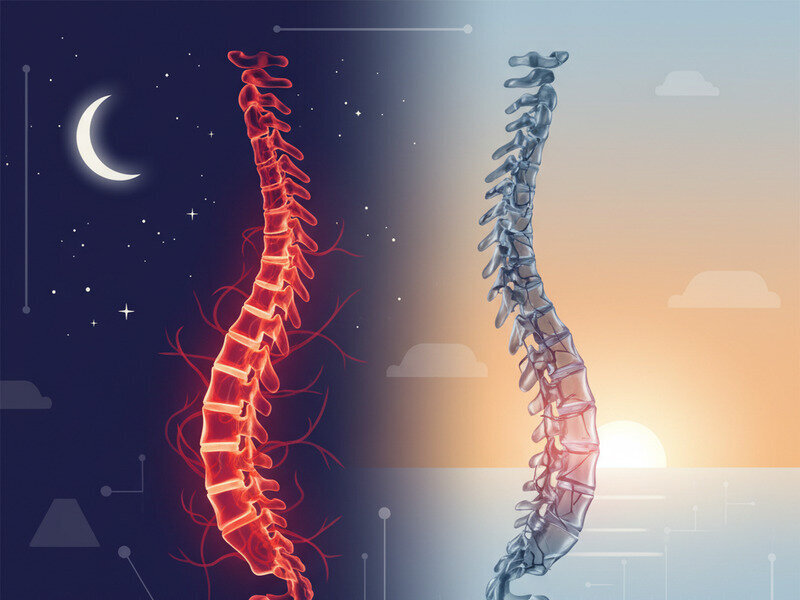
Ankylosing spondylitis (AS) is a chronic inflammatory disease primarily affecting the spine and sacroiliac joints, leading to pain and stiffness. A hallmark of this condition is the experience of morning stiffness, which can significantly impact quality of life. Understanding why this stiffness occurs, particularly in the morning, involves delving into the mechanisms of inflammation and its circadian rhythm influences.
Inflammation is a complex biological response to harmful stimuli, such as pathogens or damaged cells, and is a protective attempt by the organism to remove these stimuli and initiate healing. In the context of ankylosing spondylitis, inflammation is persistent and becomes part of the problem rather than a solution. This chronic inflammation is driven by an overactive immune response, where the body mistakenly attacks its own tissues, particularly those in the spine.
The Role of Cytokines in Inflammation
Cytokines are small proteins released by cells that have a specific effect on the interactions and communications between cells. They play a crucial role in the inflammatory process. In ankylosing spondylitis, pro-inflammatory cytokines such as tumor necrosis ...
Premium preview
Premium members unlock the full article—complete step-by-step routines, deeper coaching notes, and exclusive frameworks.