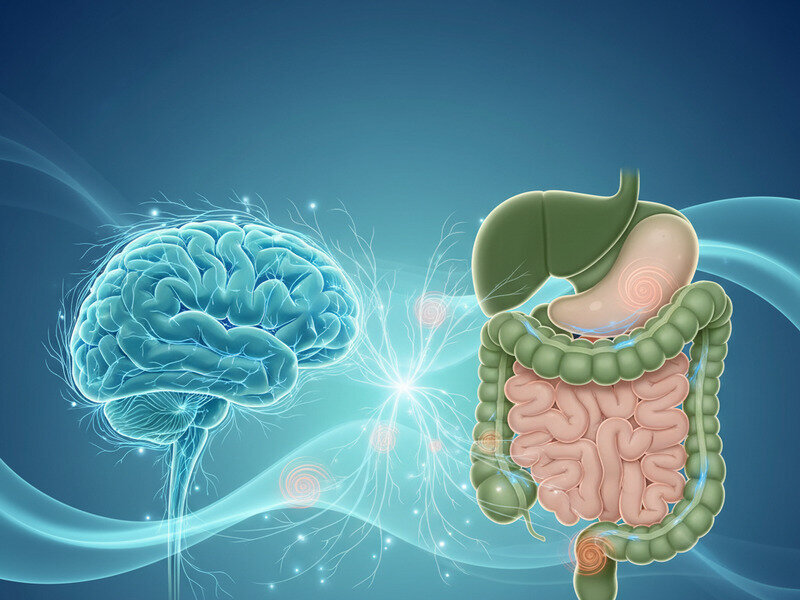
Understanding the intricate relationship between the gut and the brain, often referred to as the gut-brain axis, has become a focal point in modern medical research. This connection is not merely a metaphorical one; it is a complex, bidirectional communication system that links the emotional and cognitive centers of the brain with peripheral intestinal functions. The gut-brain axis involves multiple pathways, including neural, hormonal, and immunological routes. This article delves into how stress can originate in the stomach and affect overall mental health, providing clarity on this fascinating interplay.
The Biological Basis of the Gut-Brain Axis
The gut-brain axis is primarily mediated by the vagus nerve, which runs from the brainstem to the abdomen, and is a major component of the parasympathetic nervous system. This nerve acts as a communication superhighway, transmitting signals between the gut and the brain. Additionally, the enteric nervous system (ENS), sometimes referred to as the "second brain," consists of about 100 million neurons embedded in the walls of the gastrointestinal tract. The ENS can operate independently of the brain and spinal cord but also communi...
Premium preview
Premium members unlock the full article—complete step-by-step routines, deeper coaching notes, and exclusive frameworks.