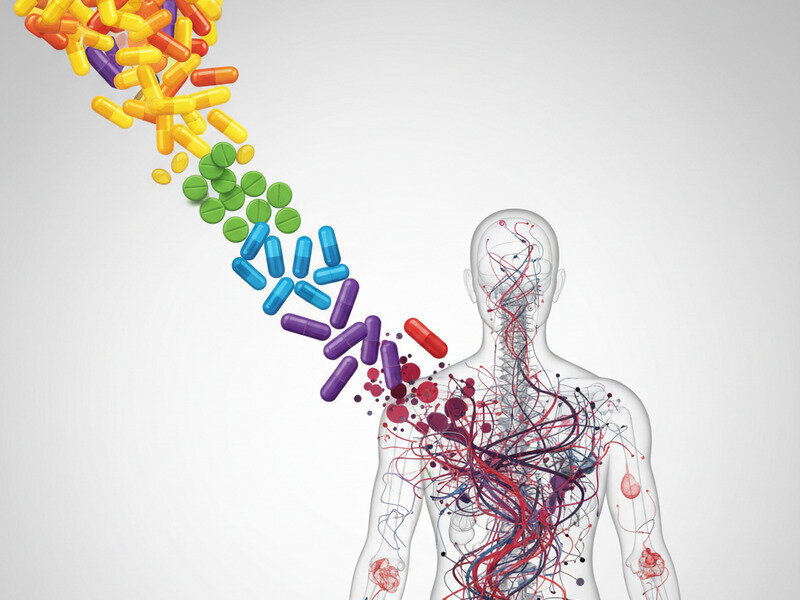
In recent years, dietary supplements have become a staple in many people's health regimens. From vitamins and minerals to herbal extracts and amino acids, these products are marketed as beneficial additions to our diets, promising to enhance wellness, boost energy, and even prevent disease. However, the growing trend of over-supplementation raises concerns about potential health risks. Understanding these risks requires a careful examination of how supplements interact with the body and the consequences of excessive intake.
Supplements are intended to provide nutrients that may be missing from our diets. The National Institutes of Health (NIH) notes that they can be helpful for certain populations, such as pregnant women needing folic acid or individuals with specific nutrient deficiencies. However, the assumption that more is better can lead to overconsumption, which may have adverse effects. The human body requires nutrients in specific amounts, and exceeding these can disrupt normal physiological functions.
Understanding Nutrient Toxicity
Nutrient toxicity occurs when the intake of a particular vitamin or mineral surpasses the body's ability to process and eliminate it. ...
Premium preview
Premium members unlock the full article—complete step-by-step routines, deeper coaching notes, and exclusive frameworks.