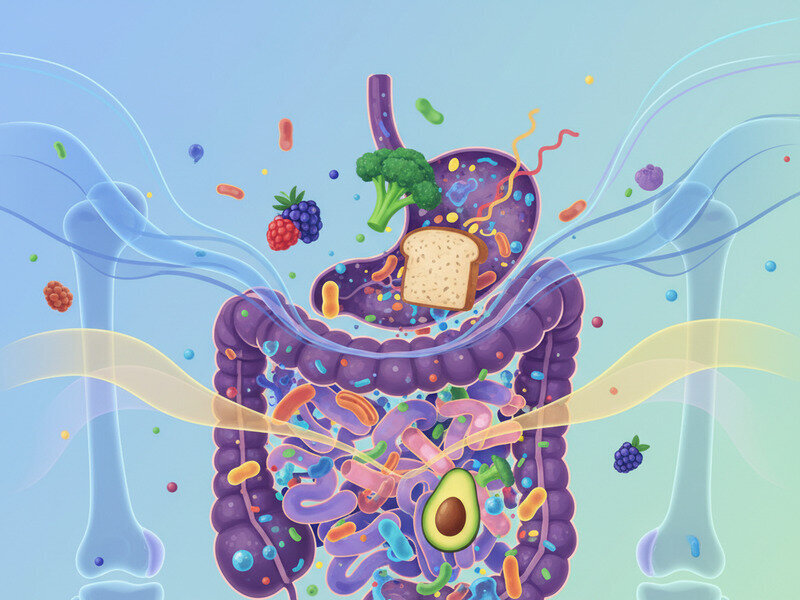
The human gut microbiome is a complex ecosystem of trillions of microorganisms, including bacteria, viruses, fungi, and other microbes. This diverse community plays a crucial role in maintaining health by aiding digestion, synthesizing vitamins, and protecting against harmful pathogens. However, its influence extends beyond the gut, affecting various aspects of health, including inflammation and musculoskeletal conditions such as stiffness. Understanding how diet shapes the gut microbiome and subsequently influences stiffness can provide insights into potential dietary interventions for improving overall well-being.
The gut microbiome is highly dynamic and responsive to dietary changes. Diet provides the primary source of nutrients for gut bacteria, influencing their composition and function. A diet rich in fiber, for example, promotes the growth of beneficial bacteria such as Bifidobacteria and Lactobacilli, which are known to produce short-chain fatty acids (SCFAs). SCFAs, including butyrate, propionate, and acetate, have anti-inflammatory properties and play a role in maintaining the integrity of the gut barrier. Conversely, diets high in fat and sugar can lead to dysbiosi...
Premium preview
Premium members unlock the full article—complete step-by-step routines, deeper coaching notes, and exclusive frameworks.